


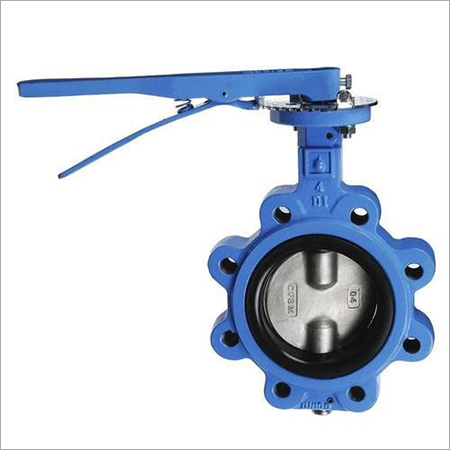
Intervalve Rubber Lined Butterfly Valve
250 INR/Piece
Product Details:
- Structure Double Flanged / Wafer / Lugged Butterfly Valve
- Material Cast Iron, Ductile Iron, Stainless Steel with EPDM/Nitrile Rubber Lining
- Power Manual, Pneumatic or Electric actuated (depending on model)
- Pressure PN10/PN16
- Media Water, Air, Light Chemicals, Oil
- Working Temperature -10C to 120C (depending on lining and material)
- Port Size 40 mm to 600 mm (1.5 inch to 24 inch)
- Click to View more
X
Intervalve Rubber Lined Butterfly Valve Price And Quantity
- 10 Piece
- 250 INR/Piece
Intervalve Rubber Lined Butterfly Valve Product Specifications
- -10C to 120C (depending on lining and material)
- Wafer / Lugged type
- Double Flanged / Wafer / Lugged Butterfly Valve
- Water, Air, Light Chemicals, Oil
- Cast Iron, Ductile Iron, Stainless Steel with EPDM/Nitrile Rubber Lining
- 40 mm to 600 mm (1.5 inch to 24 inch)
- Water Supply, Sewage Treatment, Chemical Industries, HVAC, Food and Beverage
- Corrosion resistant, epoxy coated externally
- PN10/PN16
- Manual, Pneumatic or Electric actuated (depending on model)
- Wafer / Lugged as per IS 13095 / API 609
- Short pattern as per ISO 5752 / EN558-1
- IS 13095 / API 609 / ISO 5752
- Bubble Tight Shut Off
- Stainless Steel ASTM A276 Gr. SS410 / SS316
- Ductile Iron, Stainless Steel, Aluminium Bronze
- Natural, EPDM, Nitrile, Neoprene, Hypalon Rubber
- Lever / Gear / Actuator Operated
- Shell: 1.5 times Rated Pressure, Seat: 1.1 times Rated Pressure
- Resilient Rubber Lined
Intervalve Rubber Lined Butterfly Valve Trade Information
- 50 Piece Per Week
- 1 Days
Product Description
This ergonomically designed Intervalve Rubber Lined Butterfly Valve is suitable for isolating as well as for regulating flow. As part of its mechanism, its center positioned disc is attached with its actuator through a shaft . Its disc has significant role in promoting pressure drop of handled media. Bing light in weight, butterfly valve can be handled easily. Disc of rubber lined valve tend to rotate by maintaining 90 degree angular direction. Heavy duty in appearance, this low cost Intervalve Rubber Lined Butterfly Valve is especially suitable for high pressure based job.
Specification
| Material | MS |
| Media | Air,Gas,Water |
| Temperature Of Media | High Temperature |
| Operator | Lever |
| Construction | Stainless Steel |
Versatile Material and Lining Options
This butterfly valve incorporates a range of materials for discs, shafts, and linings to suit specific media and conditions. With choices like ductile iron, stainless steel, aluminium bronze for the disc, and options including EPDM and Hypalon for lining, the valve is adaptable for water, chemicals, oil, and light industrial utility. This flexibility allows users to match performance with the exact requirements of their application.
Reliable Sealing and Operation
The resilient rubber-lined seat guarantees bubble-tight shut-off, minimizing leakage even under demanding pressures. With test pressures of 1.5 times the rated pressure for the shell and 1.1 times for the seat, this valve assures long-lasting, reliable performance. Operation methods include manual lever, gear, or full automation via pneumatic or electric actuators, catering to diverse installation and control needs.
FAQs of Intervalve Rubber Lined Butterfly Valve:
Q: How is the Intervalve Rubber Lined Butterfly Valve typically used in industry?
A: The valve is commonly employed for flow regulation and shut-off in water supply, sewage treatment, chemical industries, HVAC systems, and food & beverage processing. Its broad compatibility with different media, including water, air, light chemicals, and oil, makes it a versatile choice for controlling various process flows.Q: What benefits do the different lining and disc material options provide?
A: Diverse lining options such as EPDM, nitrile, and Hypalon rubber allow customization for chemical compatibility and temperature range. Disc materials like ductile iron, stainless steel, or aluminium bronze enhance corrosion resistance and mechanical strength, extending valve lifespan and ensuring compatibility with a wide array of fluids.Q: When should you choose wafer versus lugged type valve end connections?
A: Wafer-type butterfly valves are ideal for compact installations between flanges and are generally lighter, while lugged types provide additional strength for dead-end service and easier maintenance in piped systems. The specific choice depends on application requirements, piping arrangement, and maintenance preferences.Q: Where is the Intervalve Rubber Lined Butterfly Valve manufactured and supplied from?
A: These valves are manufactured, supplied, and distributed throughout India by authorized dealers, exporters, fabricators, and manufacturers. They are available via a broad network of retailers and wholesalers to serve the diverse needs of industrial, municipal, and commercial sectors.Q: What is the installation process for this valve?
A: Installation involves positioning the valve between pipe flanges (wafer or lugged configuration), aligning it according to the flow direction, and securing it with bolts as per standard dimensions (ISO 5752 / EN558-1). Testing should follow prescribed pressure ratings to ensure integrity and leak-free operation.Q: How does the valve ensure system safety and efficiency?
A: The valve design meets IS 13095, API 609, and ISO 5752 standards, incorporating corrosion-resistant epoxy coatings and a resilient rubber-lined seat to prevent leaks. This maintains system safety, prevents contamination, and ensures operational efficiency even in rigorous environments.Tell us about your requirement

Price:
Quantity
Select Unit
- 50
- 100
- 200
- 250
- 500
- 1000+
Additional detail
Mobile number
Email

Other Products in 'Industrial Valves' category
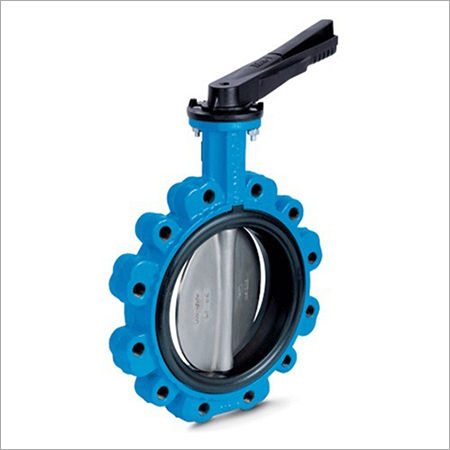


Export Countries :- Uae, Kuwait, Qatar, Bahrain, Saudi Arabia, Turkey, Jordan Egypt, Oman, Iraq, Israel Full, Africa, Azerbaijan, Libya, Tunisia, Morocco, Syria, Iran, Turkmenistan, Uzbekistan, Comoros
Contact Us

- 5-1-570, Hill Street, Near City Lite Hotel, Ranigunj, Secunderabad - 500003, Telangana, India
- Phone :08071794384

- Mr Huzefa BHAIMOMIN (Proprietor)
- Mobile :08071794384
- Send Inquiry
 Send Inquiry
|

Products


 Send Inquiry
 Send SMS
 Call Me Free
UNIQUE INDUSTRIALS
All Rights Reserved.(Terms of Use)
Developed and Managed by Infocom Network Private Limited.
Developed and Managed by Infocom Network Private Limited.


